A Comprehensive Look at Stearns Brake Specifications
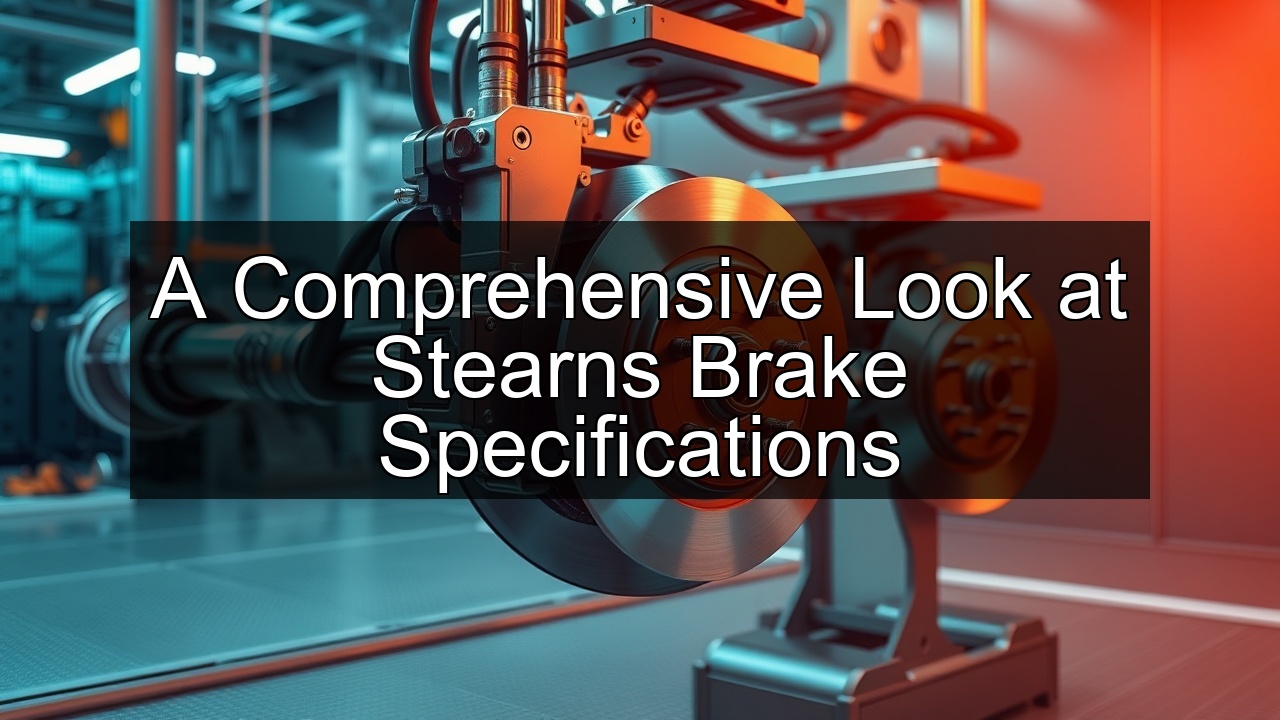
Understanding Stearns Brake Specifications
Overview of Stearns Brakes
Stearns brakes represent a vital component in various mechanical systems, particularly in marine applications and industrial machinery. These brakes are renowned for their reliability and precision, often utilized in conjunction with electric motors to ensure smooth operation. Stearns, as a manufacturer, focuses on providing high-quality braking solutions that meet stringent engineering standards. The company's products include a range of brake systems designed to deliver optimal performance under various conditions, making them a preferred choice among engineers and technicians alike. The integration of advanced materials and innovative designs enhances the durability and efficiency of Stearns brakes, ensuring they perform effectively even in demanding environments.
Key Specifications and Standards
Understanding the specifications of Stearns brakes is crucial for ensuring compatibility and performance. Key specifications include torque ratings, voltage requirements, and duty cycle capabilities. Most Stearns brakes operate on 230V and are designed to function efficiently within both single-phase and three-phase systems. Compliance with NEMA (National Electrical Manufacturers Association) and IEC (International Electrotechnical Commission) standards is essential, as these regulations provide guidelines for safety, reliability, and performance benchmarks. Manufacturers who adhere to these standards not only improve the quality of their products but also enhance customer satisfaction and trust in the brand. The meticulous engineering behind Stearns brake specifications ensures that they meet industry requirements, contributing to their widespread adoption in various sectors.
Importance of Compliance with NEMA and IEC Standards
Compliance with NEMA and IEC standards plays a pivotal role in the manufacturing and distribution of Stearns brakes. These standards dictate the technical specifications that ensure safety and reliability in electrical components, including brakes. For example, adherence to these guidelines guarantees that products can withstand the operational stress and environmental conditions they encounter. Moreover, compliance enhances the interoperability of Stearns brakes with other components, such as electric motors and control systems, ensuring seamless integration. This aspect is particularly important for industries utilizing variable frequency drives (VFDs) and advanced control systems, where precise performance is non-negotiable. Manufacturers and distributors that prioritize these standards not only safeguard their products but also foster confidence among customers, leading to increased sales and a stronger market presence. brake parts distributor
Components of Stearns Brake Systems
Braking Mechanisms: Disc and Caliper Brakes
Stearns brake systems incorporate various braking mechanisms, with disc and caliper brakes being among the most common. Disc brakes utilize a rotating disc and a stationary caliper that houses friction pads. When activated, the caliper clamps down on the disc, generating the necessary friction to slow down or stop the equipment. This design offers advantages such as efficient heat dissipation and consistent braking performance. Conversely, caliper brakes often provide a more compact solution, making them ideal for applications with space constraints. The choice between these mechanisms depends on the specific requirements of the application, including torque demands and environmental factors. Understanding the differences between these brake types helps customers make informed decisions when selecting braking solutions for their needs.
Role of Coils and Solenoids in Braking
Coils and solenoids play a crucial role in the actuation of Stearns brakes, particularly in electric and automated systems. A coil generates a magnetic field when electricity flows through it, activating the solenoid, which then engages or disengages the brake mechanism. This interaction allows for precise control over the braking process, essential for applications requiring rapid response times and reliability. The integration of coils and solenoids also aligns with modern engineering practices that prioritize efficiency and performance. Regular maintenance of these components is vital, as wear and tear can lead to decreased performance and potential system failures. Reliable operation of brakes hinges on the proper functioning of coils and solenoids, making them critical components in the overall braking system.
Integration of Clutches and Servo Motors
The integration of clutches and servo motors into Stearns brake systems enhances their functionality and versatility. Clutches allow for controlled engagement and disengagement of the braking mechanism, providing operators with the ability to fine-tune performance based on operational demands. Servo motors, which offer precise control over position and speed, work in tandem with brakes to create sophisticated automated systems. This combination is particularly beneficial in applications requiring high levels of accuracy and repeatability, such as in robotics or complex machinery. The synergy between clutches, servo motors, and Stearns brakes results in a robust system capable of handling diverse operational requirements while maintaining safety and efficiency.
Stearns Brake Distribution and Supply Chain
Identifying Reliable Stearns Brake Distributors
Finding a reliable Stearns brake distributor can significantly impact the selection and availability of quality brake products. Customers should seek distributors with a solid reputation, extensive product knowledge, and a commitment to customer service. A good distributor not only provides a wide range of Stearns brake products but also offers valuable resources, such as installation guides, maintenance tips, and troubleshooting assistance. Engaging with reputable distributors ensures access to the latest innovations and technologies in braking solutions. Additionally, reliable distributors maintain sufficient stock levels, enabling prompt delivery and reducing downtime for customers reliant on effective braking systems.
Importance of Customer Satisfaction in Distribution
Customer satisfaction remains paramount in the brake distribution process. Distributors that prioritize customer needs foster loyalty and encourage repeat business. This satisfaction stems from a combination of factors, including product quality, responsiveness, and support. Distributors who actively seek feedback and adapt their offerings accordingly demonstrate their commitment to continuous improvement. Effective communication and transparency in the supply chain also contribute to higher customer satisfaction levels. Understanding the specific needs of customers, such as the requirement for Stearns brake solutions tailored to marine applications or industrial machinery, allows distributors to provide targeted support and solutions that enhance customer experiences.
Lean Manufacturing Practices in Brake Distribution
Implementing lean manufacturing practices in brake distribution can optimize processes and reduce waste. This approach emphasizes efficiency and continuous improvement, focusing on delivering value to customers while minimizing unnecessary costs. Distributors of Stearns brakes can adopt lean principles by streamlining inventory management, enhancing order fulfillment processes, and improving supply chain logistics. By reducing lead times and increasing efficiency, distributors can better meet customer demands and ensure timely delivery of products. Moreover, lean manufacturing fosters collaboration between manufacturers and distributors, creating a more agile supply chain that can quickly respond to market changes and customer needs.
Frequently Asked Questions about Stearns Brakes
Common Concerns about Voltage and Duty Cycle
Many customers express concerns regarding the voltage requirements and duty cycle of Stearns brakes. Understanding these factors is crucial for ensuring safe and effective operation. Stearns brakes typically operate at standard voltages like 230V, but variations exist based on specific applications. Duty cycle refers to the duration the brake can operate effectively before requiring a cooldown period. Manufacturers provide detailed specifications to help customers select the right product for their applications, ensuring optimal performance without risking overheating or damage. Addressing these concerns proactively can enhance customer confidence and satisfaction.
Understanding 3-Phase vs. Single-Phase Systems
Customers often question the differences between 3-phase and single-phase systems when considering Stearns brake products. Single-phase systems are generally simpler and easier to install, making them suitable for residential applications or smaller machinery. In contrast, 3-phase systems provide greater efficiency and are ideal for larger industrial applications, delivering more power and smoother operation. Understanding these distinctions helps customers select the appropriate brake systems based on their specific needs and operational requirements. Additionally, compatibility with variable frequency drives (VFDs) often influences the choice between the two systems.
Brake Repair and Maintenance Tips
Proper maintenance and timely repairs are essential to prolonging the lifespan of Stearns brakes. Regular inspections of brake components, such as coils, solenoids, and friction materials, can help identify wear and prevent failures. Customers should follow manufacturer guidelines for maintenance schedules and procedures. Additionally, keeping the braking system clean and free from debris enhances performance. When issues arise, engaging with a qualified service provider or utilizing authorized Stearns brake service resources ensures repairs are conducted correctly, maintaining the integrity of the braking system. Proactive maintenance not only improves performance but also enhances safety and reliability in operations.
See Also
- Maximizing Customer Satisfaction with Stearns Brake Services
- Stearns Brake Distributors and Their Impact on Lean Manufacturing
- How Stearns Brake Systems Enhance Marine Performance
- Demystifying the Components of Stearns Brake Systems
- How Stearns Brake Distributor Enhances Marine Safety and Performance