5 Axis Laser Cutting Techniques for Complex Designs
Understanding 5 Axis Laser Cutting Technology
Overview of Laser Cutting Processes
Laser cutting represents a revolutionary advancement in the manufacturing sector, providing unparalleled precision and versatility. The laser cutting process involves using concentrated beams of light to melt or vaporize material, allowing for intricate designs and shapes. Traditional laser cutting typically employs a two-dimensional plane, limiting its applications in complex designs. However, 5 axis laser cutting elevates this technology by adding an additional three axes of movement. This capability allows for cutting at various angles, enabling the creation of more sophisticated geometries and enhancing the overall design flexibility. From metals fabrication to intricate prototypes, the laser cutting process proves indispensable in diverse industries.
Advantages of 5 Axis Laser Cutting
5 axis laser cutting offers distinct advantages that position it as a game-changer in manufacturing. Firstly, the ability to cut complex geometries enhances design possibilities. Manufacturers can produce parts with intricate details that would be impossible with traditional methods. Additionally, 5 axis systems significantly reduce the need for multiple setups. This efficiency saves time and minimizes errors, leading to higher quality outputs. The precision of laser-cutting technology also translates to less material wastage, making it an environmentally friendly option. Lastly, the adaptability of these systems allows for rapid prototyping and small batch production, catering to the fast-paced demands of modern engineering and product development.
Key Components of 5 Axis Laser Systems
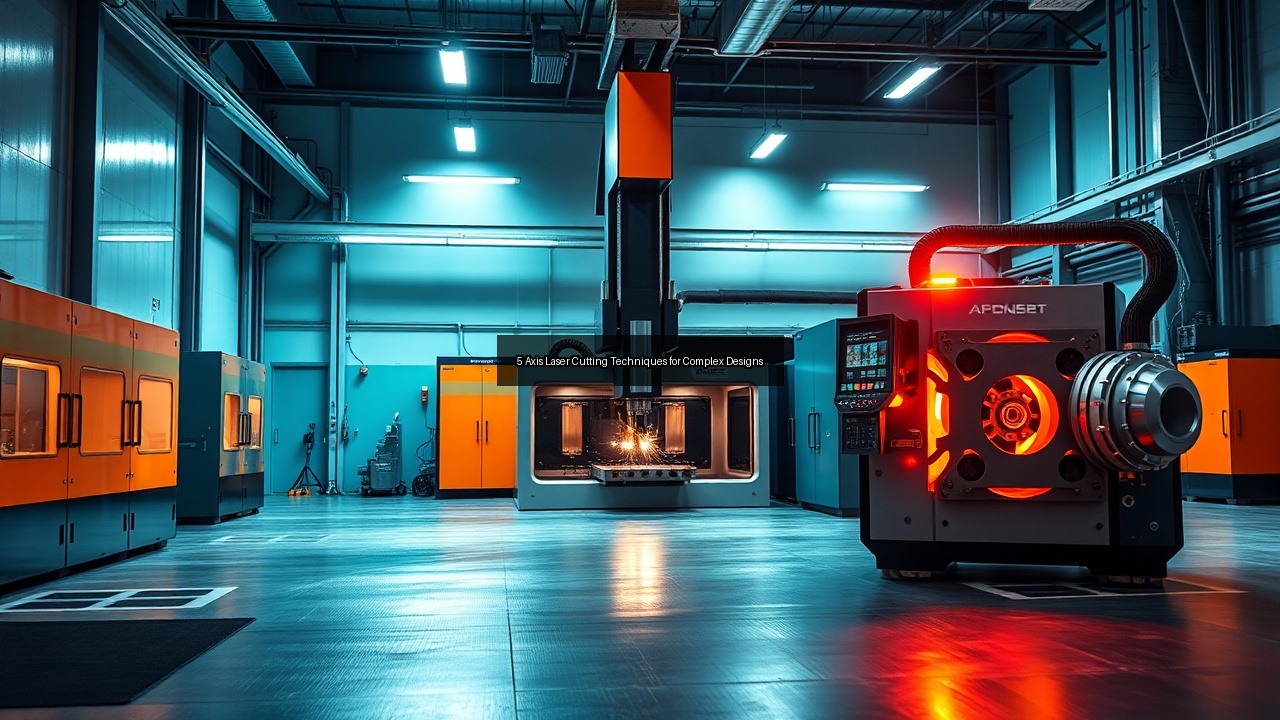
5 axis laser systems consist of several key components that work in harmony to achieve precise cutting. The laser source, typically a fiber five axis laser cutting or CO2 laser, generates the beam that cuts through materials. Beam delivery systems, including mirrors and lenses, direct the laser to the workpiece. The cutting head is equipped with advanced optics, allowing it to focus the laser beam accurately. Movement is governed by a sophisticated control system that coordinates the five axes of motion, ensuring seamless transitions between various cutting angles. Additionally, software plays a crucial role, enabling operators to design, simulate, and optimize the laser cutting process efficiently. Understanding these components is vital for anyone looking to utilize 5 axis laser cutting services effectively.
Applications of 5 Axis Laser Cutting in Various Industries
Metals Fabrication and HVAC Applications
5 axis laser cutting finds extensive applications in metals fabrication, particularly within the HVAC industry. Manufacturers use this technology to create intricate components for heating, ventilation, and air conditioning systems. The ability to cut complex shapes and contours allows for better fitting and integration of parts, ensuring optimal airflow and efficiency. Additionally, the precision of laser-cut components leads to improved performance and durability of HVAC systems. Beyond HVAC, metals fabrication utilizes 5 axis laser cutting for producing custom parts across various sectors, including automotive, aerospace, and construction. This versatility makes it an essential tool for engineers and fabricators who require high-quality, precision-engineered components.
Integration with CNC Machining and CAM Software
The integration of 5 axis laser cutting with CNC machining and CAM software streamlines the manufacturing process. CNC machining involves the use of computer-controlled machines to produce parts with high accuracy, while CAM software simplifies the design-to-manufacturing transition. By combining these technologies, manufacturers can create complex parts more efficiently. For instance, a design can be laser-cut to achieve intricate features, then finished using CNC machining for enhanced precision. This synergy not only reduces production time but also minimizes the risk of errors during the manufacturing process. The collaborative nature of these technologies exemplifies how modern engineering leverages multiple techniques to produce the best results.
Role in Engineering and Product Development
5 axis laser cutting plays a pivotal role in engineering and product development, providing designers with the tools necessary to innovate. Rapid prototyping becomes a reality, enabling engineers to create five axis laser cutting and test designs quickly without the long lead times associated with traditional manufacturing methods. The precision of laser cuts allows for detailed prototypes that can be evaluated for form, fit, and function. Furthermore, this technology supports iterative design processes, where modifications can be made and re-evaluated swiftly. As a result, companies can accelerate their product development timelines, adapt to market demands, and remain competitive in an ever-evolving landscape.
Choosing the Right 5 Axis Laser Cutting Services
Evaluating Laser Cutting Equipment and Machinery
When selecting 5 axis laser cutting services, evaluating the equipment and machinery used is crucial. Advanced laser cutting machines should incorporate the latest technology, including high-quality laser sources and precision optics. The capability of the machinery to handle different materials and thicknesses is also important, as this flexibility can accommodate a wide range of project requirements. Additionally, inquire about the machine's speed and cutting accuracy, which directly affect production efficiency and quality. A reputable service provider will showcase their equipment, providing transparency about their capabilities and how they meet industry standards.
Factors to Consider When Selecting a Laser Cutting Service
Several factors guide the selection of a reputable 5 axis laser cutting service. First, consider the provider's experience and expertise in your specific industry. A company familiar with your sector will understand the unique challenges and requirements, ensuring better outcomes. Next, assess their portfolio of previous work, which demonstrates the quality and complexity of their laser-cut projects. Customer reviews and testimonials can offer invaluable insights into the provider’s reliability and customer service. Additionally, evaluate their turnaround times and pricing structures to ensure they align with your project needs and budget. A thorough assessment will lead to a partnership that meets your production goals effectively.
Best Practices for Working with Laser Cutting Professionals
Collaboration with laser cutting professionals can significantly influence the success of your project. Start by providing clear specifications and design files, ensuring that your requirements are well understood from the outset. Open communication about materials, tolerances, and project timelines fosters a productive relationship. Be prepared to discuss potential design modifications, as experts can often suggest improvements that enhance manufacturability and reduce costs. It's also beneficial to stay involved throughout the process, allowing for real-time feedback and adjustments. By following these best practices, you can maximize the capabilities of 5 axis laser cutting services and achieve your desired results.
Future Trends in 5 Axis Laser Cutting
Innovations in Laser Cutting Technology
The landscape of laser cutting technology continues to evolve, driven by innovations that enhance performance and capabilities. Emerging technologies, such as higher power laser sources and advanced optics, are pushing the boundaries of what 5 axis laser cutting can achieve. These advancements enable faster cutting speeds, improved edge quality, and the ability to cut thicker materials. Additionally, the integration of smart technologies, including IoT connectivity and real-time monitoring, allows for optimized processes that can adapt to changing conditions. As these innovations emerge, manufacturers can expect increased efficiency and greater flexibility in their laser-cutting operations.
Sustainability and Efficiency Improvements in Laser Cutting
Sustainability remains a priority across industries, and 5 axis laser cutting technology is no exception. Many manufacturers are adopting practices that reduce energy consumption and material waste. Innovations such as optimized cutting paths and advanced nesting software minimize scrap material, enhancing overall efficiency. five axis laser cutting Furthermore, using eco-friendly materials and sustainable practices aligns with global efforts to reduce the environmental impact of manufacturing. The trend towards sustainability will not only benefit the planet but also resonate with consumers who increasingly favor environmentally responsible products.
Impact of Automation and AI on Laser Cutting Services
The integration of automation and artificial intelligence (AI) into laser cutting services transforms traditional workflows. Automated systems streamline operations, reducing the need for manual intervention and minimizing the potential for errors. AI algorithms can analyze data from laser cutting processes, optimizing parameters in real-time for enhanced performance. This technology allows for predictive maintenance, ensuring that equipment operates at peak efficiency and reducing downtime. The impact of automation and AI on 5 axis laser cutting services signifies a shift towards smarter manufacturing, where precision and efficiency are paramount.