Best Practices for Maintaining Pipeline Girth Welds Over Time
Understanding Pipeline Girth Welds and Their Importance
The Role of Girth Welds in Pipeline Integrity
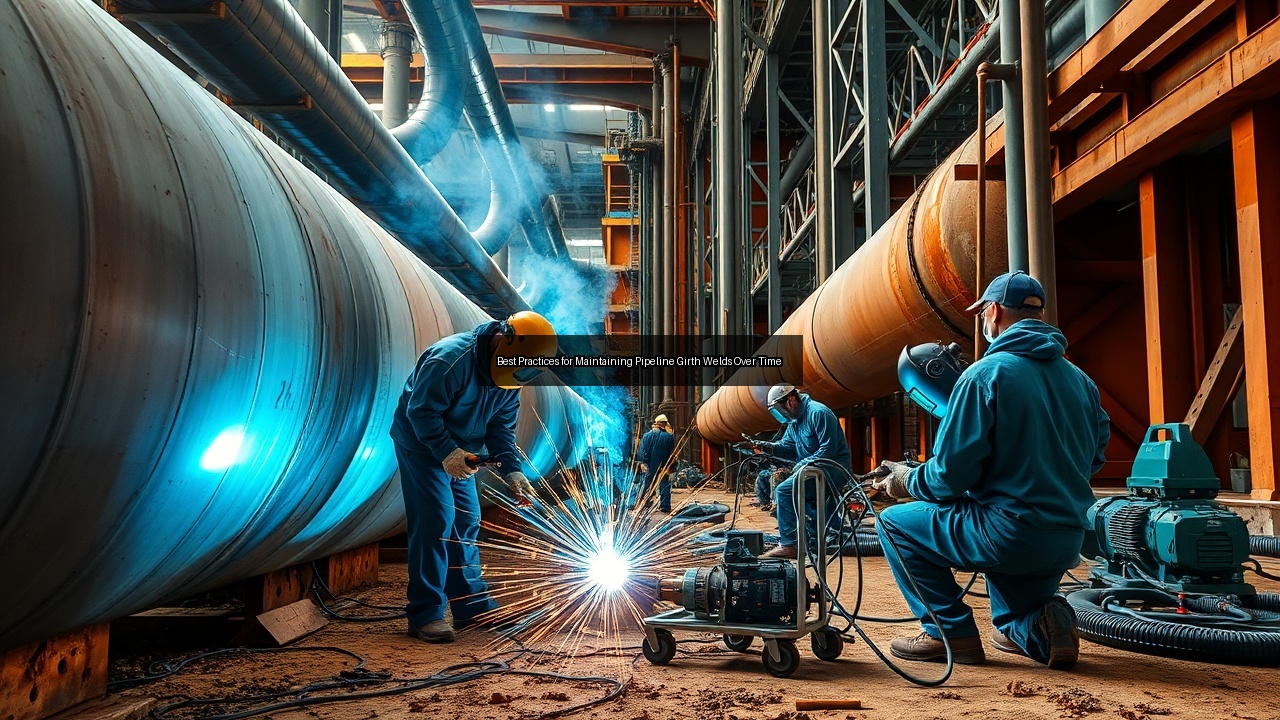
Girth welds play a crucial role in ensuring the structural integrity of pipelines. These welds connect pipe sections, creating a seamless flow path for various substances, including oil, gas, and water. The strength and reliability of girth welds directly influence the overall performance of the pipeline system. When properly executed, girth welds prevent leaks, reduce the risk of catastrophic failures, and extend the lifespan of pipelines. Failure to maintain these welds can lead to significant safety hazards, environmental concerns, and financial losses. Therefore, understanding the significance of girth welds is essential for pipeline construction and maintenance.
Common Materials Used in Girth Welding
Pipeline girth welding employs various materials, each selected for its specific properties and compatibility with the pipeline's intended use. Common materials include carbon steel, stainless steel, and, in some cases, plastic. Carbon steel is favored for its strength and cost-effectiveness, making it a popular choice in oil and gas pipelines. Stainless steel offers superior resistance to corrosion, making it suitable for pipelines transporting aggressive fluids. Understanding the material properties influences the choice of welding methods and techniques, ensuring optimal weldability and performance in varying conditions. The right material selection enhances the durability of girth welds, significantly impacting the pipeline's longevity.
Weld Strength and Its Impact on Pipeline Longevity
The strength of a weld directly correlates with the longevity of a pipeline. A well-executed girth weld should match or exceed the strength of the base materials it joins. Factors such as the welding method, filler material, and weld design all contribute to the overall strength of the weld. Poorly executed welds can lead to weaknesses, increasing the risk of failures due to stress, fatigue, or corrosion. Regular assessments and monitoring of weld strength are vital for maintaining pipeline integrity over time. Implementing effective welding practices and conducting thorough inspections ensures that girth welds remain robust throughout the pipeline's operational life.
Best Practices for Girth Weld Construction
Selecting the Right Welding Method: Friction Stir vs. Traditional Techniques
The choice of welding method significantly affects the quality of girth welds. Traditional techniques, such as shielded metal arc welding (SMAW) and gas tungsten arc welding (GTAW), have long been used in pipeline construction. However, friction stir welding (FSW) has emerged as a compelling alternative, particularly for specific materials like aluminum and certain types of stainless steel. FSW offers several advantages, including reduced heat-affected zones, minimized distortion, and improved mechanical properties. Selecting the appropriate welding method involves assessing the materials, environmental conditions, and specific project requirements. A skilled welder must understand each method's nuances to ensure optimal results and enhance weld performance.
Importance of Temperature Control During Welding
Temperature control during the welding process is critical for achieving high-quality girth welds. Both pre-heat and interpass temperatures must be carefully managed to prevent issues such as cracking or inadequate fusion. For example, certain materials like stainless steel require specific pre-heating to ensure proper weldability and reduce the risk of thermal stresses. Using temperature monitoring tools, welders can maintain the ideal temperature range throughout the welding process. Effective temperature control not only improves the quality of the weld but also enhances the overall strength and durability of the girth weld. This attention to detail pays dividends in the long-term performance of pipelines.
Ensuring Proper Weldability of Materials
Weldability refers to a material's ability to be welded without defects. Understanding the weldability of the materials used in girth welding is essential for successful pipeline construction. Factors affecting weldability include chemical composition, thickness, and mechanical properties. For instance, carbon steels generally exhibit good weldability, whereas certain alloyed steels may require specialized techniques. Conducting preliminary tests, such as weldability evaluations, helps identify potential issues before the welding process begins. Utilizing the right filler materials and techniques tailored to the specific materials ensures strong, defect-free welds. This focus on weldability ultimately leads to improved pipeline integrity and longevity.
Inspection and Testing of Girth Welds
Welding Inspection Techniques: Visual and Non-Destructive Testing
Effective welding inspection techniques ensure the integrity of girth welds throughout their lifecycle. Visual inspection serves as the first line of defense, allowing welders and inspectors to identify surface defects, such as cracks, porosity, and undercutting. However, visual inspections alone may not detect subsurface issues. Non-destructive testing (NDT) methods, such as ultrasonic testing (UT) and radiographic testing (RT), provide deeper insights into weld quality without compromising the integrity of the weld. These techniques assess factors like weld penetration and fusion, ensuring that the girth welds meet the necessary quality standards. Implementing a robust inspection regime enhances confidence in pipeline safety and performance.
Ultrasonic Testing for Girth Weld Quality Assurance
Ultrasonic testing (UT) has gained prominence in the pipeline industry for its effectiveness in assessing girth weld quality. This non-destructive testing method employs high-frequency sound waves to detect internal flaws within the weld. UT offers several advantages, including its ability to evaluate the entire weld volume and provide precise measurements of defect size and location. Regular ultrasonic inspections help identify potential issues before they escalate into significant problems, allowing for timely repairs and maintenance. By integrating ultrasonic testing into the welding inspection process, pipeline operators can ensure that girth welds maintain their integrity and performance over time.
Developing a Comprehensive Weld Inspection Plan
A comprehensive weld inspection plan serves as a roadmap for ensuring the quality and reliability of girth welds. This plan should outline the inspection methods to be employed, the frequency of inspections, and the criteria for acceptance. Incorporating both visual inspections and advanced techniques like ultrasonic testing provides a well-rounded approach to identifying defects. The plan must also include provisions for documenting inspection results and any corrective actions taken. By developing a systematic approach to weld inspection, pipeline operators enhance their ability to maintain girth weld integrity, thus ensuring the long-term success of their infrastructure.
Maintenance Strategies for Long-Term Girth Weld Performance
Monitoring for Corrosion and Other Deterioration Factors
Corrosion represents a significant threat to the integrity of girth welds and pipelines. Regular monitoring for signs of corrosion is essential to prevent costly failures. Various environmental factors, such as moisture, temperature fluctuations, and chemical exposure, can accelerate the corrosion process. Implementing corrosion monitoring techniques, such as corrosion coupons or electronic sensors, allows operators to detect early signs of deterioration. Addressing corrosion issues promptly through maintenance activities not only protects girth welds but also extends the overall lifespan of the pipeline. Understanding the specific corrosion risks associated with different materials ensures a proactive approach to pipeline maintenance.
Implementing Regular Inspection Schedules
Establishing regular inspection schedules significantly enhances the long-term performance of girth welds. Frequent inspections allow for early detection of potential issues, such as cracks or corrosion, before they escalate into severe problems. The frequency of inspections may depend on factors such as the pipeline's operating environment, the materials used, and the criticality of the service. A well-defined inspection schedule ensures that all aspects of the girth welds receive attention, fostering a culture of proactive maintenance. By committing to regular inspection intervals, pipeline operators can sustain the integrity of girth welds and maintain operational efficiency.
Documenting and Analyzing Weld Performance Over Time
Thorough documentation and analysis of girth weld performance over time provide valuable insights into the effectiveness of maintenance strategies. Keeping detailed records of inspection results, repair activities, and environmental conditions helps identify trends and potential issues. Analyzing this data allows pipeline operators to make informed decisions regarding maintenance and repairs, optimizing resource allocation. Furthermore, documenting weld performance supports compliance with industry regulations and enhances overall safety. By focusing on continuous improvement through data analysis, pipeline operators can enhance the reliability and longevity of their girth welds, safeguarding their infrastructure against unforeseen challenges.