Essential Tools and Equipment for Skid Fabrication Shops
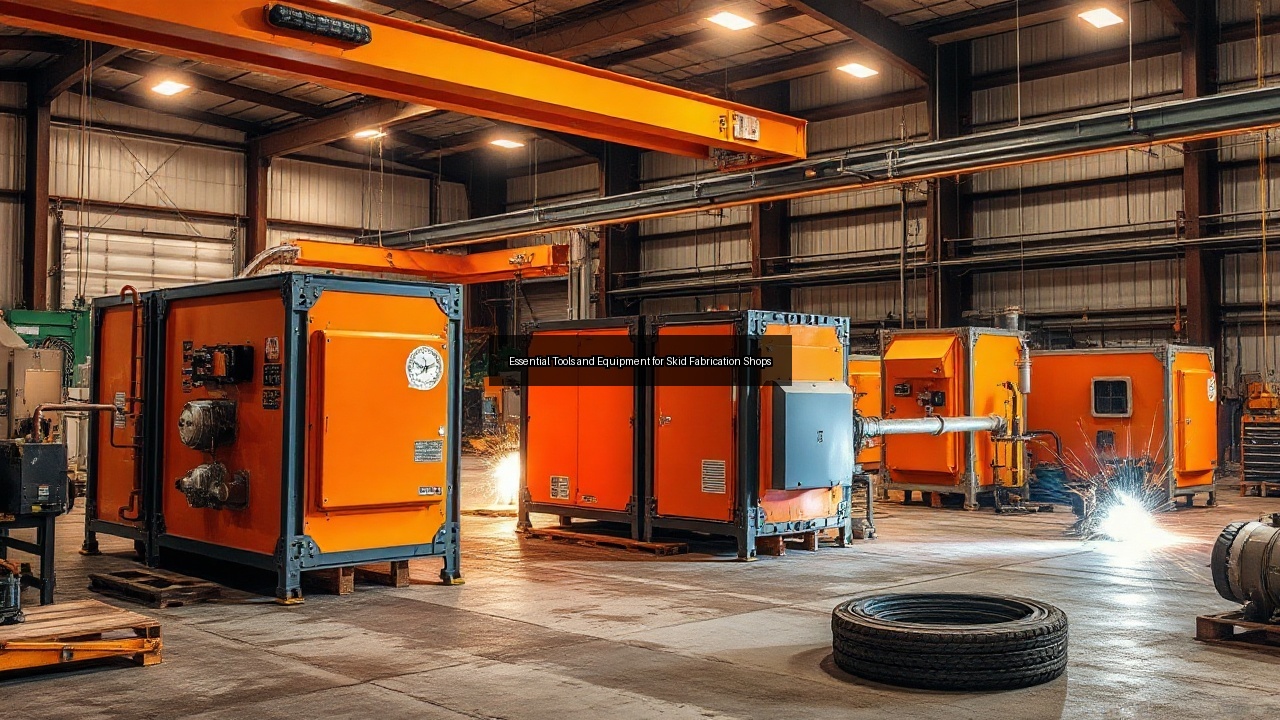
Overview of Skid Fabrication Shops
Understanding Modular Process Skids
Modular process skids serve as the backbone of various industrial operations, particularly in sectors like oil and gas and construction. These skids integrate multiple components—such as pumps, valves, and piping—into a compact, transportable unit. The modular design allows for easy installation and scalability, making them ideal for projects where space is at a premium. Manufacturers of these skids focus on efficient design, ensuring that the modules meet specific operational requirements while providing flexibility for future expansions. Understanding the intricacies of modular process systems is crucial for engineers and project managers who work in these fields.
Importance of Skid Fabrication in the Oil and Gas Industry
Skid fabrication plays a pivotal role in the oil and gas industry, where efficiency and safety are non-negotiable. Custom skid fabrication allows companies to create tailored solutions that align with specific operational needs. These skids provide a contained environment for critical processes, minimizing the risk of leaks or spills. Additionally, the ability to pre-fabricate and test these systems off-site streamlines installation timelines and reduces on-site labor costs. The quality management practices inherent in skid fabrication ensure compliance with stringent industry standards, making them indispensable for safe and efficient operations in challenging environments.
Key Applications of Modular Skids in Construction
Modular skids find diverse applications in the construction sector, from temporary job site facilities to permanent installations. They can serve as mobile water treatment units, portable power generation systems, or even as prefabricated control rooms. The versatility of modular skids allows construction companies to deploy essential services quickly, enhancing productivity on-site. Moreover, these skids can be designed to accommodate various functions simultaneously, thereby reducing the need for multiple separate units. By leveraging modular skid fabrication, construction firms gain a competitive edge through improved project timelines and cost efficiency.
Essential Tools for Skid Fabrication
Machining Equipment and Tools
Machining equipment forms the heart of a skid fabrication shop. Essential tools such as CNC machines, lathes, and milling machines enable precision cutting and shaping of metal materials. These machines allow fabricators to achieve tight tolerances and complex geometries, crucial for the integration of various components in modular skids. The choice of machining technologies directly impacts the overall quality of the skid fabrication process. Operators must maintain these machines meticulously to ensure longevity and accuracy. Investing in advanced machining tools can significantly enhance production capabilities and reduce turnaround times, making it a top priority for skid fabrication companies.
Welding Technologies and Techniques
Welding stands as a critical aspect of skid fabrication, requiring expertise and precision. Various welding techniques—including MIG, TIG, and stick welding—are employed, each offering unique advantages for different materials and applications. The choice of welding technology impacts the structural integrity and durability of the final product. Skilled welders ensure that joints are strong and free of defects, which is vital for the safety and efficiency of the modular process skids. Furthermore, advanced welding technologies such as automated welding systems can improve productivity and consistency in fabrication. Safety practices during the welding process are essential, as they protect workers and ensure compliance with industry regulations.
Cutting Tools and Materials Handling
Effective cutting tools are indispensable in any skid fabrication shop. Plasma cutters, waterjet cutters, and laser cutting equipment enable precise and efficient material separation. These tools enhance the accuracy of cuts while minimizing waste, contributing to a more cost-effective fabrication process. Beyond cutting, materials handling equipment such as cranes, forklifts, and hoists play a crucial role in managing heavy components and finished modular skids. Proper training in materials handling techniques ensures worker safety and operational efficiency. By investing in high-quality cutting tools and effective materials handling systems, skid fabricators can streamline production and enhance overall project efficiency.
Quality Control and Management in Skid Fabrication
Quality Assurance Practices for Fabrication
Quality assurance practices in skid fabrication establish a framework for achieving consistent, high-quality outputs. From the selection of raw materials to the final inspection of finished skids, quality control measures must be integrated at each stage of the fabrication process. Utilizing standardized procedures and checklists ensures that all components meet industry specifications and client requirements. Regular audits and inspections help identify potential issues before they escalate, fostering a culture of continuous improvement within the fabrication shop. Companies that prioritize quality assurance not only enhance their reputation but also reduce costly rework and project delays.
Risk Management in the Fabrication Process
Risk management in skid fabrication encompasses identifying, assessing, and mitigating potential risks that could affect project outcomes. This includes evaluating safety risks, compliance with licensing requirements, and the integrity of the fabrication process. Implementing a robust risk management strategy not only safeguards workers but also protects the company from legal liabilities and financial losses. Regular training and drills ensure that staff are prepared for emergencies, while comprehensive documentation helps track compliance with regulations. By fostering a proactive approach to risk management, skid fabrication companies can operate more smoothly and confidently in a competitive market.
Licensing and Compliance for Skid Fabrication Companies
Licensing and compliance are critical components of the skid fabrication industry. Companies must adhere to local, state, and federal regulations governing manufacturing practices, safety standards, and environmental considerations. Securing the necessary licenses not only legitimizes operations but also instills confidence in clients. Compliance with industry standards, such as ASME and API, ensures that modular process skids meet stringent performance criteria. Regular audits and inspections help verify compliance and identify areas for improvement. By prioritizing licensing and compliance, skid fabrication companies demonstrate their commitment to quality and safety, ultimately enhancing their marketability and reputation.
Cost Considerations and Expert Insights
Factors Affecting Fabrication Costs
Several factors influence the cost of skid fabrication, ranging from material selection to labor expenses. The choice of alloys can significantly affect both durability and price, making it essential for companies to balance performance with budget constraints. Additionally, the complexity of the design and the technologies employed in the fabrication process can drive costs up. Skilled labor is another critical factor; experienced workers command higher wages but deliver superior quality and efficiency. Companies must conduct thorough cost analyses to ensure projects remain within budget while meeting quality and safety standards. Understanding these factors enables better decision-making and resource allocation.
Choosing the Right Skid Fabrication Service
Selecting the right skid fabrication service can make or break a project. Companies should evaluate potential partners based on their experience, capabilities, and quality assurance practices. A reliable skid fabrication company will offer a portfolio of previous projects, showcasing their expertise in custom skid fabrication. It’s also important to consider the service's ability to adhere to deadlines and manage costs effectively. Communication plays a vital role; a fabrication partner that prioritizes transparency fosters a collaborative environment. By carefully assessing these criteria, businesses can choose a skid fabrication service that aligns with their operational goals and project requirements.
The Role of Alloy Selection in Skid Durability
Alloy selection significantly impacts the durability and performance of modular skids. Different alloys offer varying levels of strength, corrosion resistance, and weight, making them suitable for specific applications. For instance, stainless steel is often preferred for its corrosion resistance in harsh environments, while carbon steel provides excellent structural integrity for heavy-duty applications. Fabricators must consider the operational conditions the skid will face, including temperature fluctuations, exposure to chemicals, and mechanical stress. By choosing the right alloy, companies can enhance the lifespan of their modular process skids, ultimately providing better value and reliability for their clients.