The Versatility of Steel Plates Which Steel Type is More Adaptable
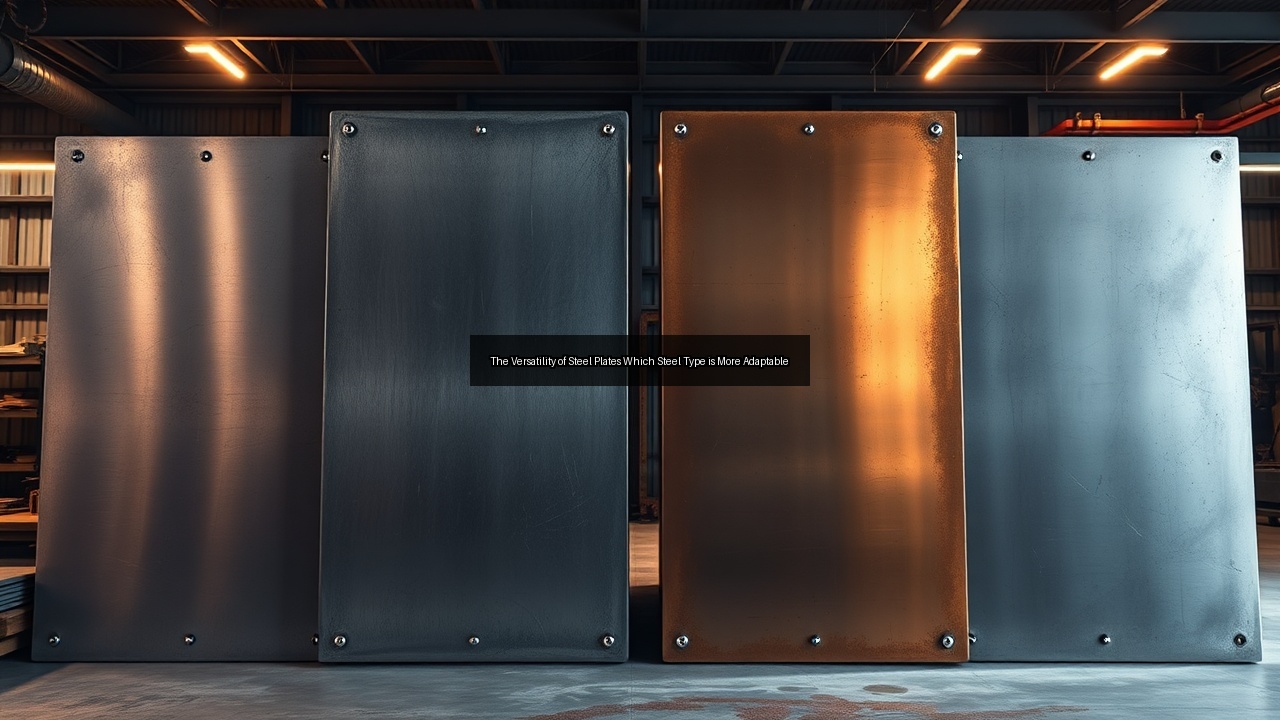
Understanding Galvanized Steel and Stainless Steel
What is Galvanized Steel?
Galvanized steel refers to steel that has undergone a protective coating process known as galvanization. This process involves applying a layer of zinc to the steel surface, significantly enhancing its resistance to rust and corrosion. The zinc acts as a barrier between the steel and environmental elements, effectively preventing moisture and oxygen from reaching the underlying metal. Galvanized steel is commonly used in applications where exposure to harsh weather conditions occurs, making it a popular choice for outdoor structures like fences, roofs, and various components in the construction industry. Its durability and cost-effectiveness contribute to its widespread use, especially in settings where longevity and maintenance costs play a crucial role.
What is Stainless Steel?
Stainless steel is an alloy composed primarily of iron, carbon, and a minimum of 10.5% chromium. This composition gives stainless steel its hallmark properties, including excellent corrosion resistance, strength, and aesthetic appeal. The chromium forms a thin, protective layer of chromium oxide on the surface, which prevents corrosion and rusting. Stainless steel comes in various grades, each tailored for specific applications, ranging from kitchen utensils and medical instruments to pressure vessels and architectural structures. Its versatility stems from its ability to withstand high temperatures, resist staining, and maintain structural integrity over time, making it indispensable in many industries.
Key Differences Between Galvanized and Stainless Steel
When comparing galvanized steel vs stainless steel, the differences become clear across several dimensions. Galvanized steel primarily focuses on cost-effectiveness and corrosion resistance through a zinc coating, while stainless steel relies on its alloy composition for natural protection against rust. The aesthetic aspect also diverges; galvanized steel often appears dull and grey, whereas stainless steel boasts a shiny, polished finish. In terms of strength and durability, stainless steel generally excels, making it suitable for demanding applications like pressure vessels and fasteners. Additionally, the longevity of stainless steel often outweighs the initial lower cost of galvanized steel, particularly in environments prone to corrosion. Understanding these differences aids in selecting the right material for specific needs.
Corrosion Resistance: A Critical Factor
Corrosion Mechanisms in Steel
Corrosion in steel occurs through electrochemical reactions, primarily when steel is exposed to moisture and oxygen. This process leads to the formation of rust, which compromises the integrity of the metal. Various factors influence how quickly corrosion occurs, including the presence of salts, acids, or pollutants in the environment. Different types of steel respond uniquely to these corrosive elements. For instance, carbon steel is highly susceptible to rusting, while galvanized steel offers a protective measure through its zinc coating. Understanding these mechanisms is critical for industries that rely on metal components, as it informs decisions on material selection, maintenance schedules, and protective measures to prolong the lifespan of steel products.
How Galvanization Protects Against Corrosion
Galvanization provides a robust defense against corrosion. The zinc coating acts sacrificially, meaning it oxidizes in place of the underlying steel, effectively preventing rust formation. Even if the coating gets scratched, the exposed steel remains protected as long as there is enough zinc surrounding it. This unique property makes galvanized steel an optimal choice in construction and outdoor applications, where exposure to moisture and harsh weather is common. The longevity of galvanized steel can reach several decades, depending on the thickness of the zinc layer and environmental conditions. This durability, combined with lower maintenance requirements, makes galvanized steel a cost-effective solution in various industries.
Stainless Steel's Natural Corrosion Resistance
Stainless steel possesses intrinsic corrosion resistance due to its chromium content. The chromium reacts with oxygen in the air, forming a protective layer of chromium oxide that shields the steel beneath. This layer is self-repairing; if damaged, it can reform in the presence of oxygen, maintaining its protective qualities over time. Different grades of stainless steel offer varying levels of corrosion resistance, with some grades designed specifically for harsh environments, such as marine applications where saltwater exposure is prevalent. This natural resistance not only enhances the lifespan of stainless steel products but also reduces the need for protective coatings, making it an attractive option for many applications.
Applications and Adaptability in the Metal Industry
Galvanized Steel in Construction and Sheet Metal
Galvanized steel plays a crucial role in the construction industry, particularly in applications requiring durability and cost-effectiveness. Its resistance to corrosion makes it ideal for structural components, roofing sheets, and outdoor fixtures. Builders often choose galvanized steel for framing, fencing, and siding because it withstands harsh weather without significant degradation. Additionally, galvanized sheet metal is widely used in HVAC systems and ductwork due to its strength and lightweight properties. The adaptability of galvanized steel allows it to be easily shaped and fabricated using techniques like laser cutting and welding, providing flexibility in design while ensuring robust performance.
Stainless Steel for Pressure Vessels and Fasteners
Stainless steel’s unique properties make it the go-to choice for applications requiring stringent hygiene and corrosion resistance, such as pressure vessels, chemical processing equipment, and fasteners. In industries like pharmaceuticals and food processing, stainless steel ensures compliance with safety standards while maintaining structural integrity. Its ability to withstand high pressures and temperatures allows for efficient operation in challenging environments. Fasteners made from stainless steel resist rust and corrosion, ensuring long-lasting performance in various applications. The adaptability of stainless steel extends to custom fabrication, allowing for tailored solutions that meet specific requirements in demanding industries.
Comparative Analysis of Applications
When evaluating galvanized steel vs stainless steel in terms of applications, the choice often hinges on the specific requirements of the project. Galvanized steel excels in cost-sensitive projects where exposure to the elements is a concern, making it ideal for outdoor construction and temporary structures. Conversely, stainless steel finds its niche in high-performance applications that demand superior corrosion resistance and aesthetic appeal. Industries such as aerospace, medical, and food processing favor stainless steel for its reliability and cleanliness. Understanding the strengths and weaknesses of each type allows engineers and designers to make informed decisions that align with both performance expectations and budget constraints.
Economic and Environmental Considerations
Cost Analysis: Prices of Galvanized vs Stainless Steel
Cost plays a pivotal role in material selection, particularly in the metal industry. Generally, galvanized steel offers a lower initial investment compared to stainless steel. This affordability stems from the simpler manufacturing process and widespread availability of galvanized products. However, the long-term costs can vary significantly. Stainless steel may have a higher upfront cost, but its durability, low maintenance needs, and resistance to corrosion can result in lower lifetime costs. Additionally, in environments prone to corrosion, the longevity of stainless steel often outweighs the initial price difference, making it a more economical choice over time.
Sustainability of Steel Production
Both galvanized and stainless steel production carry environmental considerations. The sustainability of steel relies on recycling, energy consumption, and the raw materials used. Galvanized steel production typically involves a coating process that adds zinc, which can have environmental implications if not managed correctly. Conversely, stainless steel often incorporates recycled materials, which reduces the carbon footprint associated with its production. Furthermore, the longevity of both materials contributes to sustainability, as longer-lasting products reduce the need for frequent replacements. Choosing sustainable steel options not only supports environmental goals but also aligns with increasing regulatory demands for greener construction practices.
Weldability and Fabrication Techniques
Weldability significantly influences the choice between galvanized steel and stainless steel. Galvanized steel can be more challenging to weld due to the zinc coating, which can produce harmful fumes during the welding process. However, skilled welders can successfully use techniques such as grinding away the coating before welding. Stainless steel, in contrast, offers excellent weldability, allowing for strong, clean joints without the complications associated with coatings. The adaptability of both materials in fabrication, including laser cutting and forming, further enhances their usability in diverse applications. Understanding the welding characteristics of each type aids in selecting the appropriate material for specific projects.
See Also
- Speed and Precision in Metalwork Galvanized vs Stainless Steel
- The Future of Metal Construction Galvanized vs Stainless Steel
- Galvanized Steel for Pressure Vessels Is it the Right Choice
- The Environmental Impact of Galvanized Steel Compared to Stainless Steel
- Choosing the Right Fasteners for Galvanized and Stainless Steel Projects